
A beautiful lawn begins with healthy soil, and one of the most effective ways to improve soil health is through lawn aeration. Whether your grass looks thin, patchy, or stressed—or you simply want to maximize your lawn’s long‑term health—professional aeration can make a dramatic difference.
Below, we break down what aeration is, how it works, and why it’s a must‑have service for homeowners who want a vibrant, thriving lawn.
A thick, green, healthy lawn doesn’t happen by accident—it starts beneath the surface. Expert lawn aeration is one of the most powerful ways to improve soil health, boost nutrient absorption, and promote stronger, deeper roots. If you want a lush, resilient lawn that thrives through heat, drought, and heavy foot traffic, aeration is the essential lawn care service you can’t afford to skip.
What Is Lawn Aeration?
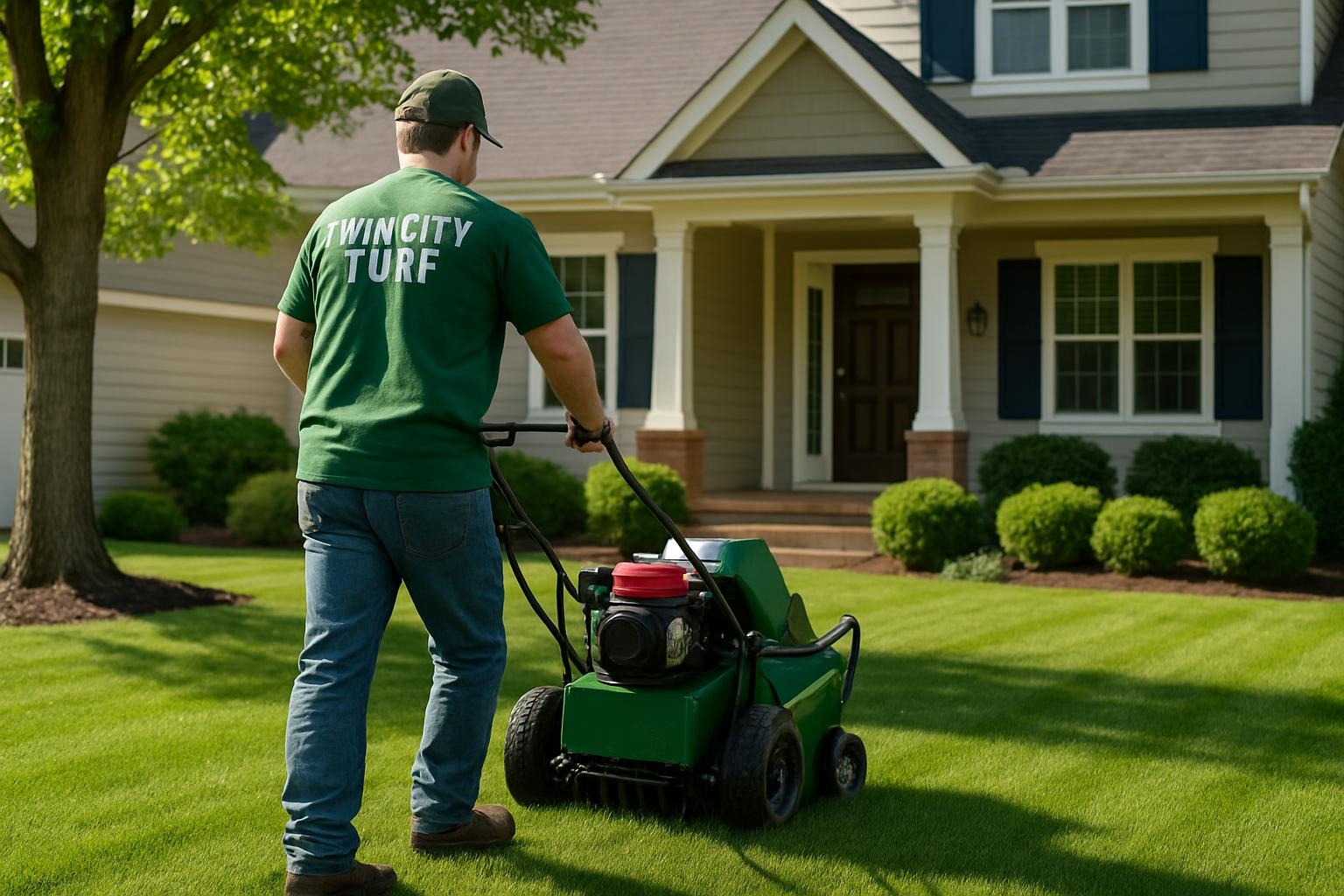
Lawn aeration is the process of removing small plugs of soil from your yard to relieve compaction and improve airflow. This is typically done using a core aerator, a machine that pulls out thousands of tiny soil plugs across the lawn.
By opening up the soil, aeration allows essential elements to reach the root zone more effectively:
- Air
- Water
- Nutrients
These are the building blocks of strong, healthy turf.
Why Aeration Is Essential for a Healthy Lawn
1. Relieves Soil Compaction
Over time, soil becomes compacted from mowing, foot traffic, pets, and natural settling. Compacted soil prevents roots from expanding and blocks water and nutrients from penetrating deeply. Aeration breaks up this compaction, giving roots room to grow.
2. Improves Nutrient Uptake
After aeration, fertilizers and natural nutrients can reach the root system more efficiently. This leads to thicker, greener grass and improved overall lawn health.
3. Enhances Water Absorption
Aerated soil absorbs water more effectively, reducing runoff and helping your lawn stay hydrated—especially important during hot, dry summers.
4. Strengthens Root Growth
With better access to air and nutrients, roots grow deeper and stronger. Deep roots help your lawn withstand drought, disease, and stress.
5. Boosts Overseeding Results
If you plan to overseed, aeration is the perfect first step. The holes created by aeration give new grass seed the ideal environment to germinate and establish quickly.
When Should You Aerate Your Lawn?
The best time to aerate depends on your grass type, but for most cool‑season lawns (like those common in the Midwest and northern states), the ideal times are:
- Early Fall – Best for root development and recovery
- Spring – Helps jump‑start growth after winter dormancy
Aerating once a year is recommended for most lawns, but heavily compacted or high‑traffic yards may benefit from twice‑yearly aeration.
Signs Your Lawn Needs Aeration
You may need aeration if you notice:
- Water pooling on the surface
- Thin or patchy grass
- Hard, compacted soil
- Heavy thatch buildup
- Poor growth despite fertilization
- If your lawn feels spongy or hard underfoot, aeration can help restore balance.
Final Thoughts
Expert lawn aeration is one of the most effective ways to rejuvenate your lawn from the ground up. By improving soil structure, boosting nutrient absorption, and strengthening root systems, aeration sets the stage for a thicker, greener, more resilient lawn.
Whether you’re dealing with compacted soil or simply want to maximize your lawn’s potential, aeration is a smart investment that pays off all season long.